Ultherapy or Thermage? What the evidence actually says
Two lifting devices patients in Korea often compare. They work in different ways, and patients keep asking which one to pick.
Ultherapy and Thermage appear often on lifting menus in Seoul. Patients ask which works better, which hurts more, and whether either is worth it. Here is what the sources say.
What it is
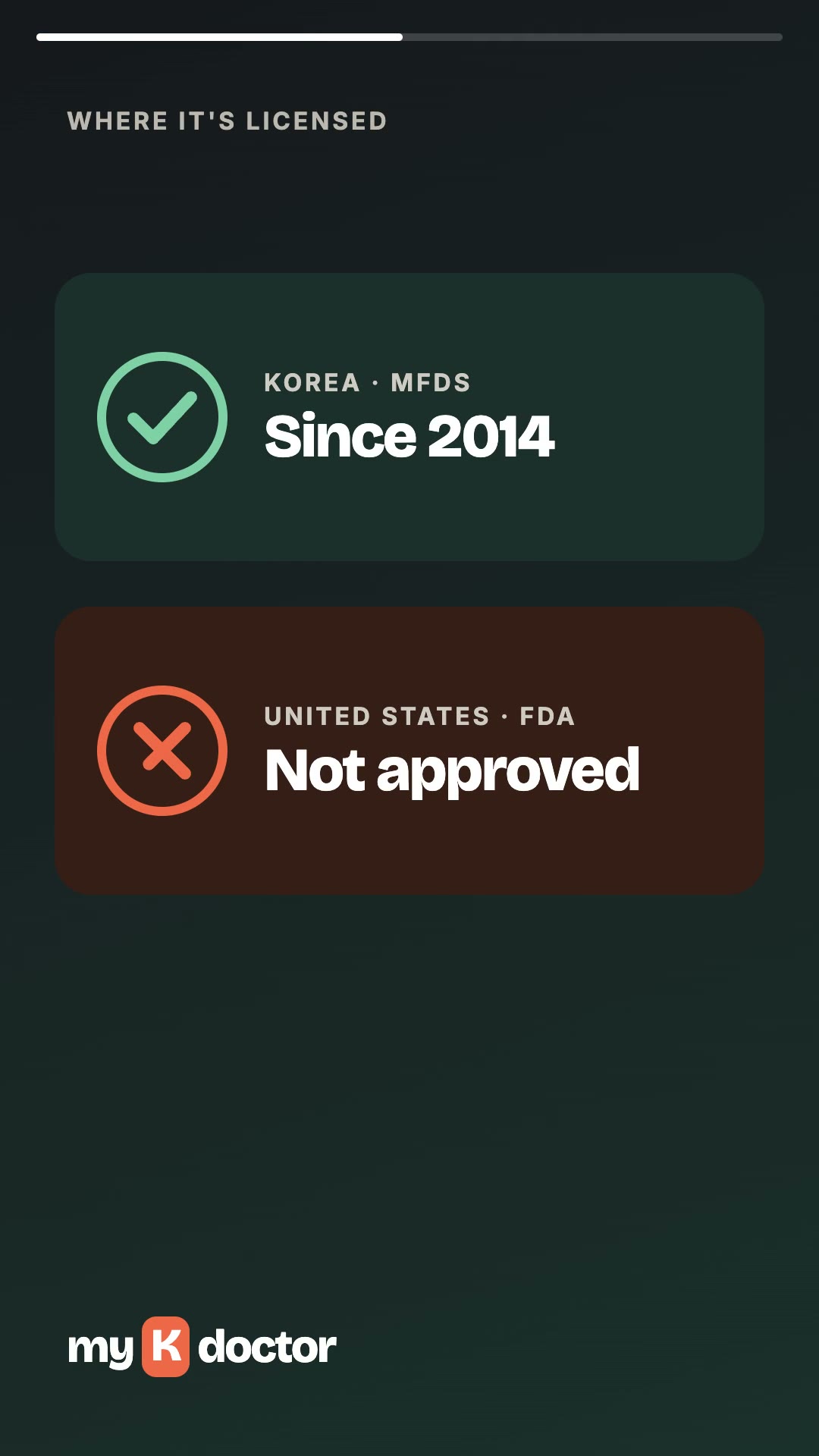
Ultherapy uses micro-focused ultrasound at set depths (1.5, 3 and 4.5 mm), with imaging during treatment. Thermage FLX uses monopolar radiofrequency to heat a broader layer of skin while cooling the surface. [1] Merz, which makes Ultherapy, says there is no downtime and that redness usually fades within a few hours. [2] In the US, Ultherapy was first authorised in 2009 to lift the eyebrow, later adding under-chin and neck tissue. Thermage FLX was cleared in 2017 for wrinkles, including around the eyes. In Korea, Thermage FLX received import approval in 2018. [3]
What patients are asking
On Reddit, the questions are direct.
Thermage is supposedly less painful and less expensive, which is why I'm leaning toward Thermage. But is it more effective than Ultherapy?r/KoreaSeoulBeauty ↗
Another asked, And how painful are these procedures really?
(r/KoreaSeoulBeauty) A third wrote, Is Ultherapy or Thermage actually worth it for early facial …
(r/KoreaPlasticSurgery)
Questions to ask
There is no large head-to-head trial of the two brands, so neither can honestly be called better overall. They deliver heat differently, and the better fit depends on your skin, the area and what a doctor sees when they assess you. [source]
Patient reports on pain vary widely for both. Ask the clinic what pain control they use, and whether the plan or the energy level can be adjusted if it becomes too uncomfortable.
A small split-face trial of 20 people, followed for 180 days, found both sides improved with no significant difference between the two technologies. That study is small, and it does not prove the current machines are equal for everyone. [source]
General information, not a diagnosis or treatment advice. A doctor needs to see your skin before any treatment.